Apply the latest ADLM/ADA recommendations for HbA1c testing
Understand the updated evidence-based guidelines for the diagnosis and management of diabetes mellitus.
This webinar is presented in English.

Recently, the Association for Diagnostics & Laboratory Medicine (ADLM, formerly AACC), in collaboration with the American Diabetes Association (ADA), released updated evidence-based guidelines and recommendations for laboratory testing in the diagnosis and management of diabetes mellitus. Compared with previous versions, the new recommendations place greater emphasis on recognizing circumstances in which HbA1c results may be misleading and provide guidance on the appropriate use of HbA1c for diabetes screening, diagnosis, and long-term monitoring.
As HbA1c remains a cornerstone biomarker in diabetes care, the guidelines highlight the importance of understanding factors that may compromise result accuracy, including hemoglobin variants, altered red blood cell turnover, and method-related interferences. Particular emphasis is placed on recognizing discordant results and understanding when alternative testing strategies may be required to ensure accurate clinical interpretation.
By addressing both clinical and analytical challenges, these recommendations help laboratories optimize result interpretation, support current best practices, and deliver high-quality diabetes testing to improve patient care.
Understand the updated evidence-based guidelines for the diagnosis and management of diabetes mellitus.
Learn how to use HbA1c effectively for diabetes screening, diagnosis, and patient monitoring.
Identify circumstances that can cause discordant HbA1c results and explore alternative testing strategies to ensure accurate clinical decision-making.
The lab should be aware of potential limitations of their hemoglobin A1c assay method and interferences within their patient population.
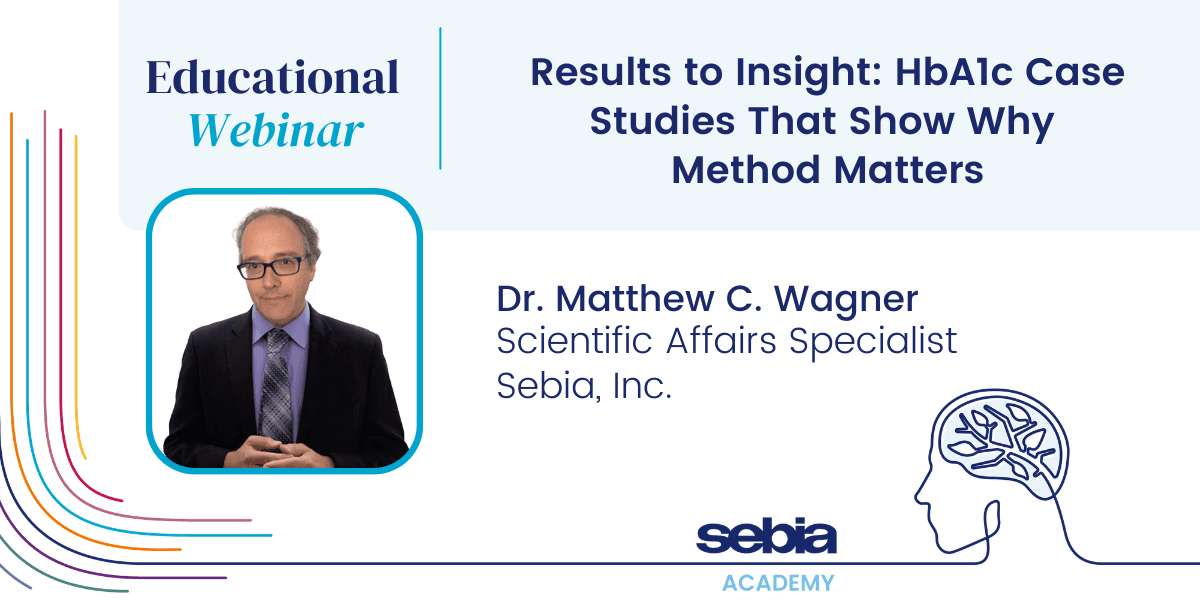
Educational Webinar with Dr. Matthew Wagner
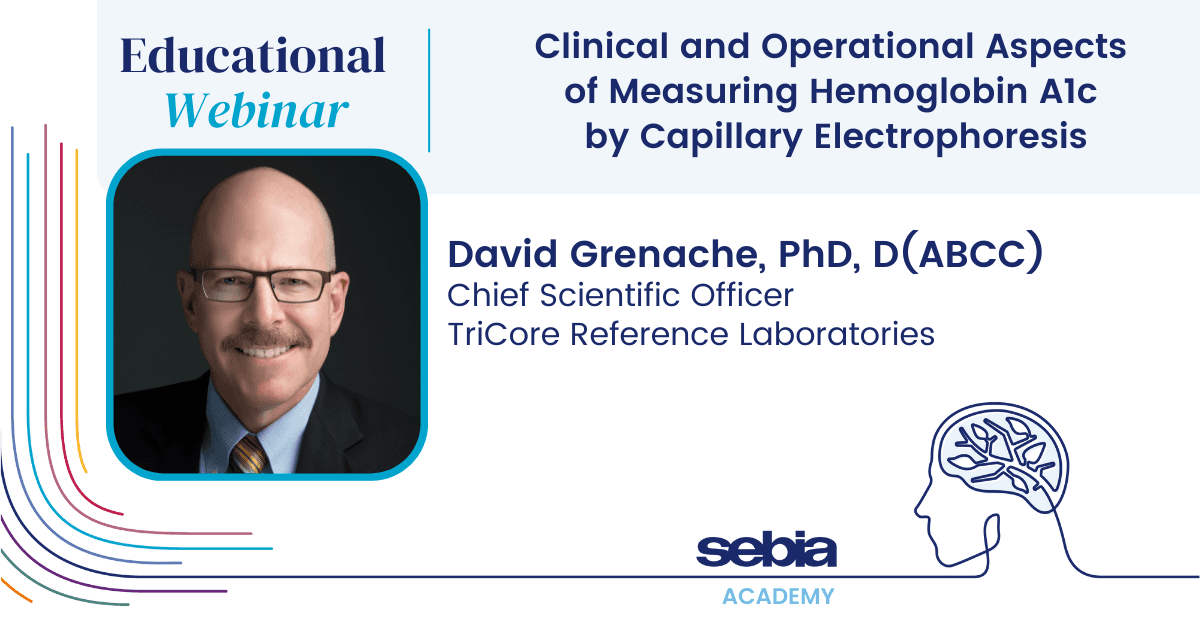
Educational Webinar with Dr. Grenache
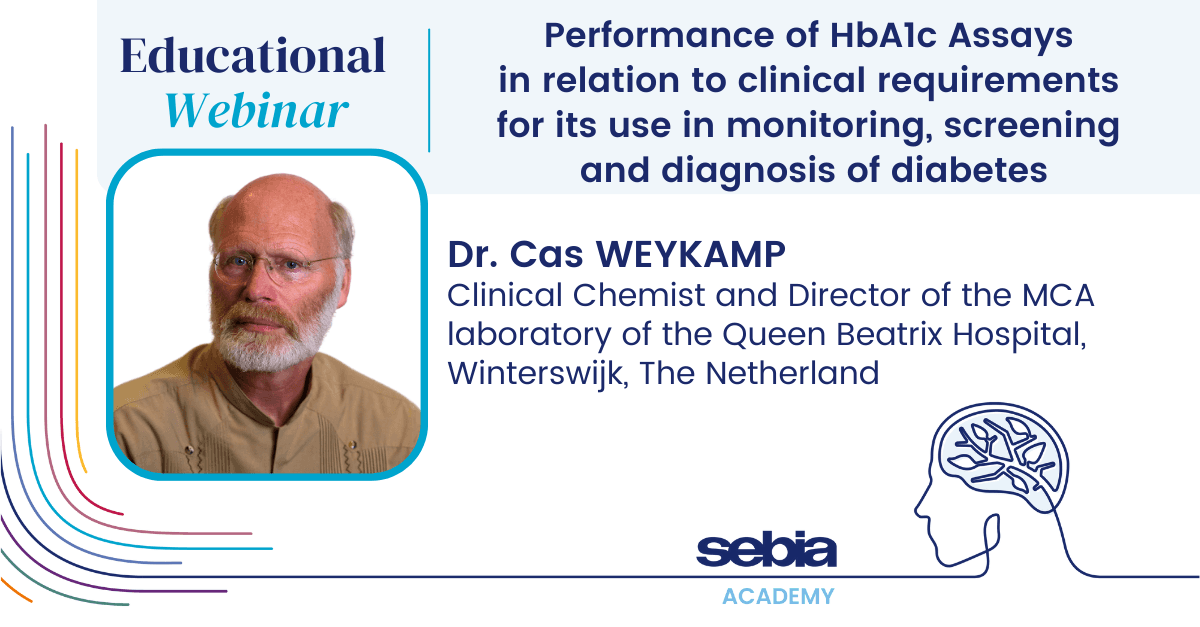
Educational Webinar with Dr. Cas WEYKAMP
This section contains information intended for wide distribution and may therefore contain product details or information that is not available or valid in your country. Please contact your local Sebia representative. Information intended for healthcare professionals. Carefully read the instructions in the reagent package inserts and instrument manuals.